Why Fashion Week Demands Different Travel Thinking
Last September, a fashion PR director contacted us three days before London Fashion Week began. Her agency represented multiple designers showing at different venues across London, she had client meetings scheduled in Paris immediately after London shows concluded, and a critical New York commitment the following week required presence at NYFW closing events.
The schedule was impossible using commercial aviation. Even business class tickets couldn't solve the fundamental problem: the global fashion calendar compresses four major fashion weeks into approximately six weeks, creating logistical complexity that makes private aviation less luxury and more operational necessity for anyone working across multiple fashion capitals.
London Fashion Week, scheduled for February 20-24, 2026, represents the second stop on the international fashion circuit after New York and before Milan and Paris. Understanding how the fashion industry actually navigates this compressed calendar reveals why private jets became standard infrastructure rather than exceptional indulgence.
The Fashion Calendar Reality: Understanding the Compressed Schedule
London Fashion Week doesn't exist in isolation. It's part of an international fashion calendar that creates genuine logistical challenges for anyone attending multiple cities' events.
The Big Four Circuit: New York, London, Milan, Paris
The autumn/winter collections showing in February 2026 follow this approximate schedule:
New York Fashion Week: February 12-17, 2026
Major American designers show their collections, with key presentations concentrated in Manhattan venues. Industry professionals from London often attend NYFW's closing days before immediately departing for London.
London Fashion Week: February 20-24, 2026
British designers and emerging talent present collections across multiple London venues. The schedule officially runs Thursday through Monday, with Tuesday often seeing stragglers and private appointments continuing.
Milan Fashion Week: February 25-March 3, 2026
Italian luxury houses dominate this week, with shows concentrated in Milan's established fashion district venues. Many attendees travel directly from London to Milan, sometimes attending final London shows in morning and Milan opening events the same evening.
Paris Fashion Week: March 4-11, 2026
The fashion calendar's culminating event, where French houses and major international brands present their most significant collections. Paris represents the season's conclusion, with many industry professionals planning entire month-long European itineraries around this four-city circuit.
The Logistical Challenge This Creates
Fashion industry professionals attending all four weeks face genuine complexity. Commercial aviation between these cities exists abundantly, certainly, but the timing constraints, show schedules, and meeting requirements create situations where commercial flight times simply don't align with actual needs.
A fashion buyer might need to attend a London show at 10:00, have meetings with designers at 14:00, and be in Milan for a dinner with Italian representatives at 20:00. Commercial aviation makes this theoretically possible but practically exhausting, whilst private aviation makes it merely challenging.
"I tried doing the full four-city circuit on commercial flights once. Never again. The time spent in airports, managing connections, and arriving exhausted at shows where I needed to be sharp and focused was unsustainable. Private aviation isn't about luxury; it's about functioning professionally." — Fashion magazine editor, regular fashion week attendee
Where Fashion Industry Clients Actually Fly From and To
Understanding the private aviation patterns during London Fashion Week reveals which cities send the most fashion professionals and how they're coordinating their international schedules.
New York to London: The Opening Move
The largest single route during London Fashion Week sees fashion professionals departing New York after NYFW concludes, arriving in London for the Thursday opening. This overnight transatlantic flight creates particular challenges because arriving exhausted for London's opening shows undermines the entire week's effectiveness.
We coordinate overnight flights with aircraft offering proper sleeping accommodations, allowing buyers, editors, and brand representatives to rest during the eight-hour journey and arrive in London refreshed rather than depleted. The time zone change, five hours ahead, means overnight departures from New York after NYFW closing events land in London early morning, providing time to settle at hotels before afternoon shows begin.
Paris to London: The Editors and Buyers
French-based fashion professionals, particularly Parisian editors, stylists, and luxury brand representatives, form significant London Fashion Week attendance. The short flight time, just over one hour, makes day returns practical for professionals who want to attend specific London shows without overnight stays.
However, many Paris-based professionals coordinate longer London visits that overlap with their own work schedules, attending London shows whilst maintaining Paris obligations through remote coordination with their teams.
Milan to London: The Pre-Circuit Positioning
Italian fashion professionals, particularly those representing luxury houses showing at Milan Fashion Week, often position to London early to conduct business meetings, view British designer collections they might stock, and maintain relationships with British fashion media before returning to Milan for their own fashion week.
This creates bidirectional traffic: London to Milan travel increases during London Fashion Week's conclusion, whilst Milan to London travel peaks at the week's beginning.
European Fashion Capitals: The Supporting Routes
Berlin, Copenhagen, Stockholm, and other European fashion centres with their own significant fashion weeks send designers, buyers, and media to London Fashion Week. These cities' emerging designer scenes increasingly influence British fashion, creating professional relationships that justify London attendance beyond simple collection viewing.
Middle Eastern and Asian Fashion Markets: The Growing Presence
Dubai, particularly, sends substantial fashion industry representation to London Fashion Week. The Middle Eastern luxury market's importance to British brands means buyers from high-end Dubai retailers attend London shows to identify pieces suitable for their clientele.
Hong Kong and Singapore fashion professionals attend in growing numbers as well, though the journey length means these attendees typically coordinate extended European fashion circuits that include all four major weeks rather than London in isolation.
The Actual London Fashion Week Geography: Where Everyone Goes
London Fashion Week operates differently than the other major fashion capitals, with shows and presentations spread across multiple venues rather than concentrated in a single district. This geographic dispersion creates ground transportation challenges that affect aviation coordination.
The Strand: The BFC Show Space
The British Fashion Council's primary show space at The Strand hosts many of London Fashion Week's most significant presentations. This central London location provides reasonable access from all London airports, with typical transfer times of 30 to 45 minutes from Farnborough or Luton.
However, show times at The Strand create traffic complications during morning and afternoon hours. We coordinate arrival timing that accounts for London traffic patterns, ensuring fashion professionals reach shows with buffer time rather than arriving stressed from tight connections.
180 The Strand: Emerging Designer Presentations
This venue hosts emerging British designers and provides gallery-style presentation formats. Fashion scouts and buyers seeking new talent spend substantial time at 180 The Strand, making it essential for professionals focused on discovering emerging designers rather than just viewing established brands.
Mayfair Showrooms: Private Appointments
Beyond official show venues, Mayfair's numerous designer showrooms host private appointments, brand presentations, and buyer meetings throughout Fashion Week. Many fashion professionals spend as much time in these private appointments as attending official shows, making Mayfair hotel locations particularly valuable for efficient scheduling.
Victoria House: Evening Events
Evening presentations, after-parties, and industry networking events often occur at Victoria House and similar venues across London. These evening commitments extend Fashion Week days well beyond show hours, creating challenges for professionals trying to coordinate next-day travel to Milan or maintaining early morning video calls with teams in other time zones.
Hotels: Where Fashion Week Actually Stays
Fashion Week attendees concentrate in specific London hotels known for fashion industry presence. Claridge's in Mayfair serves as unofficial Fashion Week headquarters, with the lobby and bars becoming impromptu meeting spaces where deals close and relationships develop.
The Beaumont, The Connaught, and Rosewood London all see significant Fashion Week bookings. These hotels' Mayfair locations provide proximity to showrooms whilst remaining reasonably accessible to The Strand show venues.
We coordinate hotel arrangements for fashion industry clients whose London visits extend beyond single days, ensuring reservations at properties where spontaneous networking opportunities complement scheduled appointments.
How We Actually Coordinate Fashion Week Aviation
Fashion Week aviation differs from standard business travel coordination because of the compressed timing, multiple-city requirements, and unpredictable schedule changes that characterise fashion industry operations.
The Four-City Circuit Coordination
Clients attending all four fashion weeks require comprehensive coordination that treats the entire month as a single journey with multiple stops rather than four separate trips. This approach optimises aircraft positioning, reduces overall costs, and provides schedule flexibility when shows run late or meetings extend beyond planned timeframes.
A typical four-city circuit coordination might involve positioning an aircraft in New York for NYFW attendance, flying to London on February 18th, maintaining London availability through February 24th, continuing to Milan on February 25th, and concluding in Paris through March 11th before returning to the client's home base.
This ambitious itinerary requires slot coordination at multiple airports, customs arrangements across several countries, and ground transportation booking at four different cities. However, the efficiency of single-source coordination versus managing four separate flights creates both operational simplicity and cost optimisation.
The Last-Minute Schedule Changes
Fashion Week schedules remain fluid. Shows move times, private appointments extend, weather delays affect everything, and the general unpredictability of fashion industry logistics means rigid aviation schedules create constant tension.
We maintain flexibility in all Fashion Week coordination, understanding that departure times might shift with minimal notice and that what was planned as a direct London-to-Milan flight might become a London-to-Paris-to-Milan routing if meeting opportunities in Paris justify the detour.
The Shared Flight Opportunity
Fashion industry professionals often travel similar routes during Fashion Week, creating opportunities for shared flights that reduce individual costs whilst allowing networking during travel. A fashion PR agency might coordinate shared flights for multiple clients attending the same shows, or editors from different publications might share aircraft to Milan when their schedules align.
We facilitate these arrangements when all parties are open to shared travel, creating cost efficiency alongside the professional networking value that shared Fashion Week flights provide.
The Day Return Strategy for Select Shows
Not every fashion professional attends full Fashion Week. Some coordinate day returns from European cities to view specific designers' shows, attend particular meetings, or maintain presence at key events without committing to entire weeks in London.
We regularly coordinate Paris-to-London day returns for French fashion professionals who want to view British designer shows without London overnight stays, and London-to-Milan day trips for British fashion professionals scouting Italian collections before Milan Fashion Week officially begins.
Private Aviation vs Commercial Travel for Fashion Week
Fashion professionals considering whether private aviation justifies investment during Fashion Week often compare it to commercial first class alternatives they typically use for other travel. Here's the honest assessment based on fashion industry usage patterns.
The Multi-City Advantage
Commercial first class handles single-city fashion week attendance reasonably well. Flying to London, staying the week, and returning home works fine with commercial airlines. The problems emerge when coordinating multiple fashion weeks within the compressed calendar.
Connecting New York to London to Milan to Paris via commercial aviation requires managing four separate bookings, multiple airport processes, and fixed departure times that might not align with show schedules or meeting opportunities. Private aviation treats this as one coordinated journey with flexibility throughout.
The Schedule Flexibility Factor
Fashion Week shows run late constantly. A show scheduled for 14:00 might not actually begin until 15:00, with the presentation itself taking longer than planned. If you have a 19:00 commercial flight to Milan and the show you're attending runs 90 minutes behind schedule, you face choosing between missing the show's conclusion or missing your flight.
Private aviation eliminates this forced choice entirely. Your departure adjusts to your actual schedule rather than requiring your schedule to accommodate fixed flight times. This flexibility proves particularly valuable during Fashion Week when timing unpredictability is standard rather than exceptional.
The Productivity During Travel
Fashion Week generates intense work requirements beyond show attendance. Buyers need to review collections, place orders, and coordinate with their merchandising teams. Media professionals write reviews, edit photos, and file stories on tight deadlines. Brand representatives manage real-time communication with design teams about collection reception.
Private jets provide genuinely productive work environments where this coordination happens during travel rather than requiring dedicated time at hotels or offices. The quiet cabin, reliable connectivity on appropriate aircraft, and absence of nearby passengers overhearing confidential discussions about collection strategies or purchasing decisions creates work capability commercial aviation cannot match.
When Commercial Makes Sense
Fashion professionals attending only London Fashion Week without Milan or Paris commitments might find commercial first class perfectly adequate. The investment in private aviation primarily justifies itself when coordinating multiple fashion weeks or when maintaining extremely tight schedules that commercial fixed timing cannot accommodate.
What Fashion Industry Professionals Actually Need
Understanding the specific requirements that fashion industry professionals have during London Fashion Week helps coordinate aviation that genuinely serves their needs rather than applying generic business travel approaches.
The Garment Bag Challenge
Fashion professionals travel with substantial wardrobe requirements. Multiple shows daily, evening events, and the general expectation of excellent presentation within fashion contexts means luggage volumes exceed typical business travel.
Private jets accommodate garment bags, shoe cases, and multiple pieces of luggage without the restrictions commercial aviation imposes. This flexibility matters significantly for professionals whose appearance is part of their professional brand and who need costume changes throughout intensive Fashion Week days.
The Sample Coordination
Designers, stylists, and brand representatives sometimes travel with collection samples, accessories for styling, or materials for meetings with buyers. These items can be delicate, valuable, and inappropriate for commercial checked baggage.
Private aviation allows these materials to travel in cabin where professionals maintain control and visibility throughout the journey. This capability proves essential for designers showing their work to international buyers during Fashion Week or stylists coordinating shoots that require specific pieces from collections.
The Team Travel Requirement
Fashion brands often send teams to London Fashion Week rather than solo representatives. A luxury house might send their creative director, brand president, several PR representatives, and social media coordinators, all requiring coordinated travel and maintaining constant communication.
Private jets accommodate entire teams aboard single aircraft, allowing work to continue during travel and ensuring everyone arrives simultaneously rather than managing staggered commercial arrivals across different flights.
The Discretion Factor
High-profile designers, celebrities attending shows, and brand leaders prefer discretion that commercial terminals cannot provide. Fashion Week attracts media attention, and the ability to travel without public exposure proves valuable for professionals who manage carefully curated public images.
Private terminals provide this discretion naturally, with controlled environments where fashion industry professionals move without the recognition or disruption that commercial airports create for recognisable figures.
The Questions Fashion Professionals Actually Ask
How far in advance should I book for Fashion Week?
London Fashion Week represents peak demand for private aviation, particularly on routes connecting fashion capitals. We recommend booking two to three months ahead for optimal aircraft availability and preferred timing. Last-minute coordination remains possible but with less flexibility around specific aircraft types and departure windows.
Can you coordinate ground transportation and hotel arrangements?
Yes, comprehensive Fashion Week coordination includes luxury ground transportation, hotel reservations at fashion industry preferred properties, and even show access assistance when requested. Many fashion professionals prefer single-source coordination rather than managing aviation, accommodation, and ground logistics separately.
What happens if shows run late or schedules change?
We build flexibility into all Fashion Week coordination, understanding that schedule changes represent standard operating procedure rather than exception. Aircraft wait for you, departure times adjust to your actual availability, and we maintain real-time communication throughout your London Fashion Week attendance.
Do you coordinate the full four-city fashion circuit?
Yes, treating the entire New York-London-Milan-Paris circuit as one comprehensive journey creates both operational efficiency and cost optimisation compared to booking four separate trips. We coordinate all elements across the full month for clients attending multiple fashion weeks.
Can you help with show access or industry connections?
Whilst we coordinate aviation and ground logistics directly, we maintain relationships with fashion industry coordinators who can assist with show access, brand appointments, or other fashion-specific requirements. Many fashion professionals handle these industry connections independently, but we facilitate introductions when requested.
Which London airport works best for Fashion Week?
London Farnborough provides efficient access to central London show venues and Mayfair hotels, with typical transfer times of 30 to 60 minutes depending on traffic. London Luton offers viable alternatives, whilst London City can work well for certain routings despite its shorter runway limiting aircraft options.
Making Fashion Week Work With Your Schedule
Fashion Week coordination requires understanding that success isn't just reaching London but managing the compressed timing, multiple commitments, and international travel that defines fashion industry operations during these intense periods.
We coordinate Fashion Week aviation with specific understanding of fashion industry rhythms, show timing patterns, and the multi-city logistics that distinguish fashion travel from standard business aviation. Whether you're attending London Fashion Week only or coordinating the full international circuit, we ensure aviation coordinates with rather than against your fashion industry requirements.
The compressed calendar, unpredictable show timing, and international coordination that Fashion Week demands creates genuine logistical complexity. Private aviation provides the flexibility and control that makes ambitious fashion industry schedules practical rather than merely theoretical.
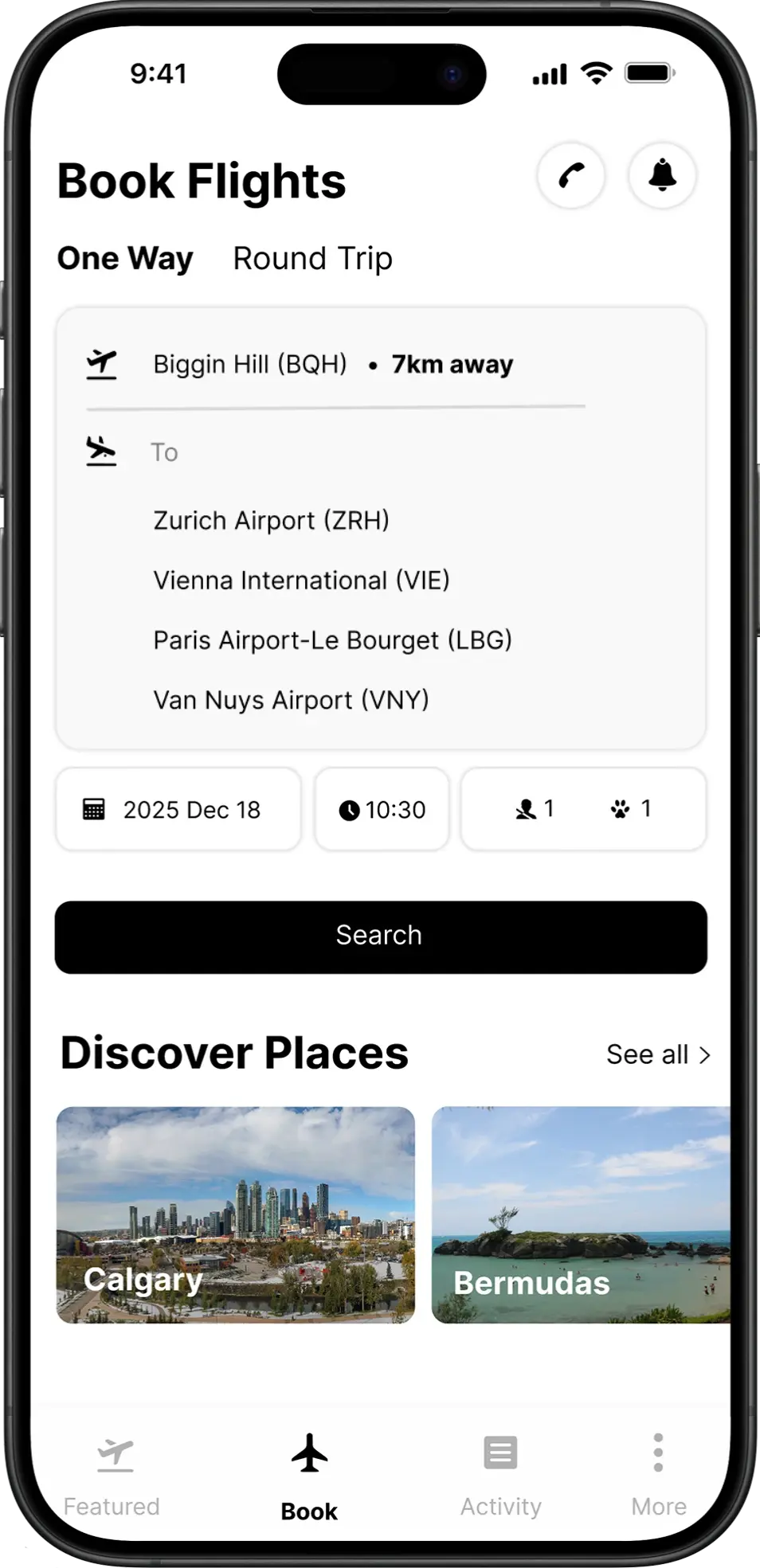
Book your private flight now and experience London Fashion Week without the logistics anxiety that commercial travel imposes on the international fashion calendar.
For personalised London Fashion Week coordination including the full four-city circuit, ground transportation, and schedule management, contact us at [email protected] or [email protected]. We're available round the clock to coordinate fashion industry travel with the expertise these demanding schedules require.
Image Attribution:
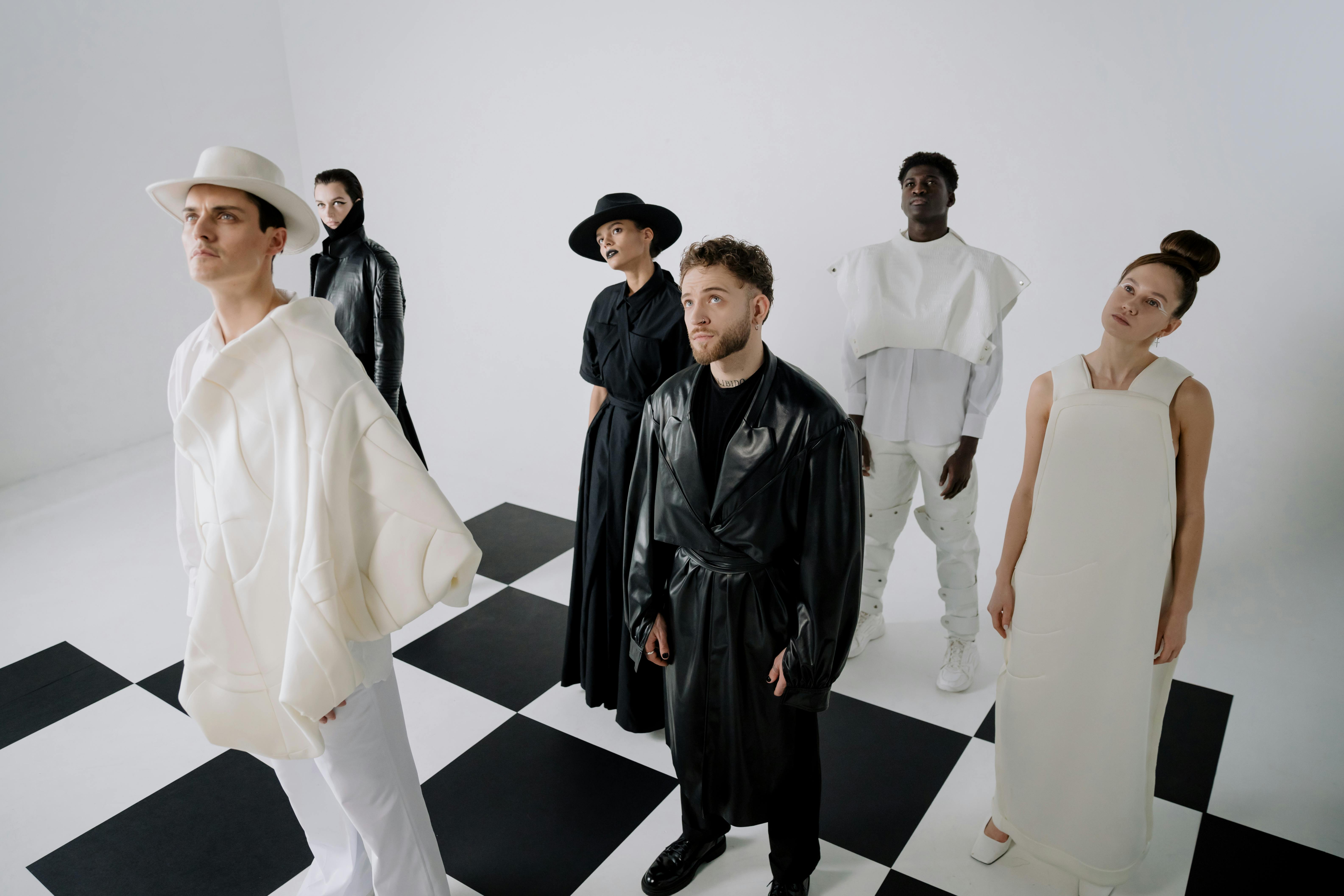
Photo by cottonbro studio via Pexels, used under Pexels License.